


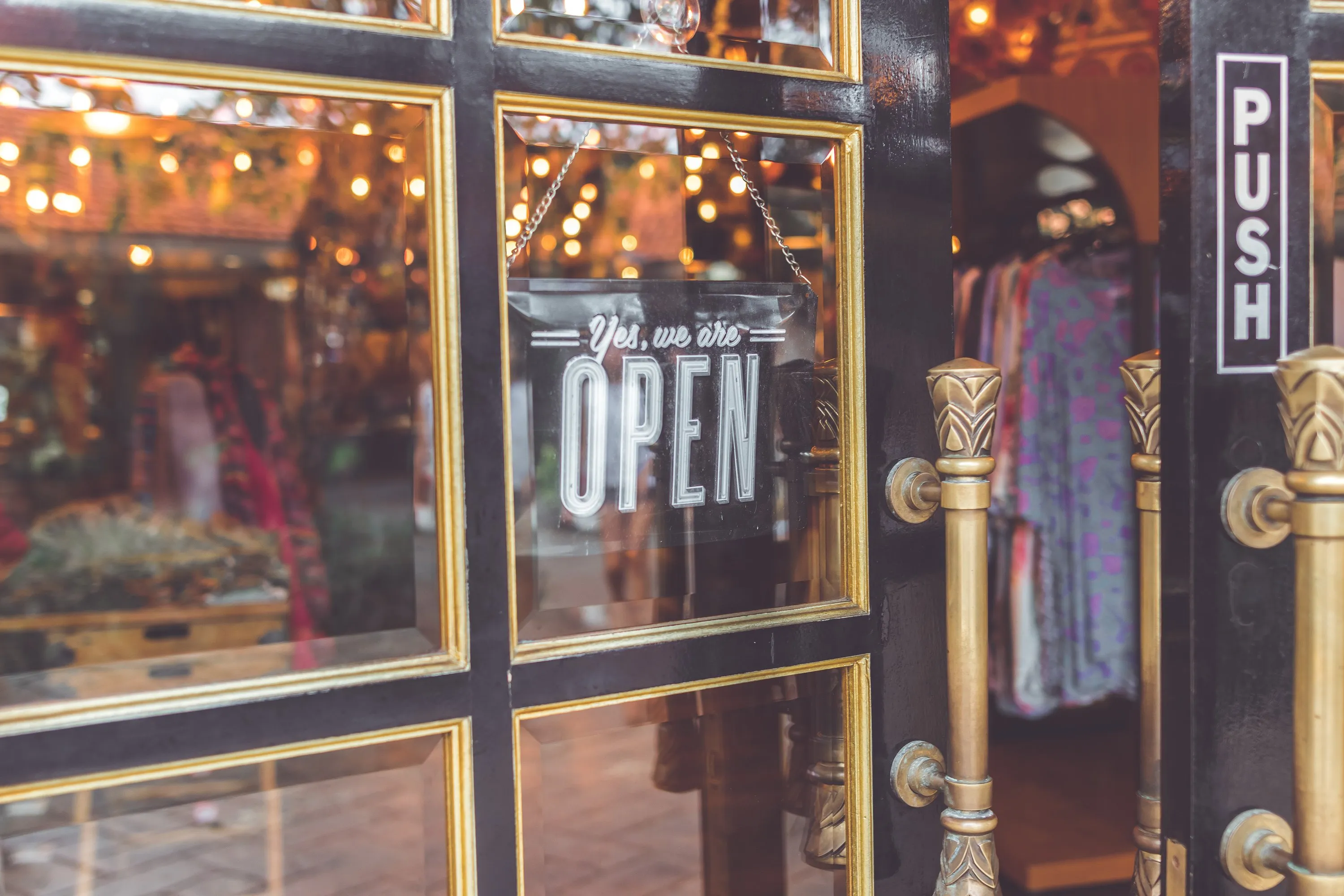
Omnichannel is a very popular term nowadays. Quite often though, some brave person asks me: “What is really meant by omnichannel?”. This is such a fresh term, having been in parlance for only a couple of years now, that it is important to ask. Moreover, it can have variations in meaning depending on its application and context.
Probably the best definition of omnichannel is: a multi-channel approach to sales, providing customers with a seamless experience across and between all channels — regardless of which channel they use. Whether the customer does their shopping online from a desktop or mobile device, by telephone, or in a bricks-and-mortar store — the experience should be integrated.
So for example, I might see a weekend promotion for jackets by Brand X in the morning as I check my mobile phone. I click on it and do some pre-selection. Say, I like two designs more than the others. Later, I could go to a showroom because I like to touch the fabrics and check the size. However, I am not sure if my wife will like it as much as I do — and I appreciate her opinion. She says that one of the designs would suit me particularly well. Finally, I buy it online, planning to pick it up the next day on my way from work because it will be cheaper and easier for me not to have it sent by courier.
Are there many stores which offer such integration? Does it feel the same when I interact with the company online, by phone, or in person in their showroom? Doesn’t it often happen that your bank offers you investment opportunities by text message all the time, even though you have already told them on the phone that you do not currently have funds for investments — and you are their client for a loan? Do they really think that the next SMS will finally convince you to start investing, even though they see your account statement shows no assets to invest?
Omnichannel does not equal multi-channel.
A company can have a wonderful social media campaign, great mobile marketing, and a terrific website, but if they do not work together, it is not omnichannel.
Omnichannel can entail all interactions: communication, sales and customer information included. Routine thinking about communication (even digital in digital times) pushes sales only recalling the term ‘reactancy’ — i.e., the more we are pushed by intrusive sales messages, the more we resist.
“People hate it when you sell something to them, but they love to buy”
This is a famous quote from Jeffrey Gitomer. The way to encourage people to buy is to help them buy, not just push them constantly. They may need advice. They may be seeking information, not yet ready to buy. However, by providing them with helpful information now, we can ensure that they become great customers later.
I remember getting a flat tire on my Brand A car just next to the showroom of Brand B. They helped me even though they were not specialists in the wheels and tires on my car. Then half a year later, when it came to choosing my next car, I thought of them and have been driving Brand B cars ever since. They helped me without intrusive persuasion and this surprised me so pleasantly that I noticed it and remembered it well.
An example of a great omnichannel technological approach is Walt Disney World in Florida. If you book a package of hotel and park visits, you get one ‘Magic Band’ device per person. It is an electronic wristband which serves as a key to your hotel room, a ticket for parking, and a quick method of payment for shopping in stores or food in the park restaurants. If a Disney photographer takes a picture of you with a Disney character, they can ask you to touch your Magic Band to their reader and all the pictures will be made downloadable for you via a Disney app on your smartphone. Moreover, the app allows you to assign three attractions a day where you will be able to come at a specific time and use FastPass — a special ‘bypass’ of the regular queues. You then register at the FastPass entrance with your Magic Band.
Omnichannel isn’t just smart technology, but a human-centric approach.
There is a story about Virgin Atlantic. One of its customers, named Robert, missed an appointment and tweeted about it. Dan, a Virgin representative, encouraged Robert to contact him directly in case of any future issues. Dan didn’t say call customer service, or post another tweet, he reached across the company’s different marketing channels to provide Robert with a personalized service experience. Such ‘personal touches’ can do miracles to console customers who have had a poor experience with the company, particularly if its employees from different divisions work together seamlessly to ensure such positive experiences.
All specialists agree: customer experiences in omnichannel should not happen by accident but should be engineered. This means there is a need to clearly understand the customer’s journey and motivations, basing the following actions on smart and predictive data analytics. An omnichannel approach to service and sales means integrity and synergy across and between all channels. This is the way to win hearts, minds, loyalty and revenue share.
Enjoyed this article? ollow us on Twitter, Facebook and LinkedIn.
with The Heart?
Join us and be part of a team that's shaping the future through innovation, creativity, and bold ventures. Ready to make your mark?